
May Wrap Up
What I did, read, and wrote about this month.

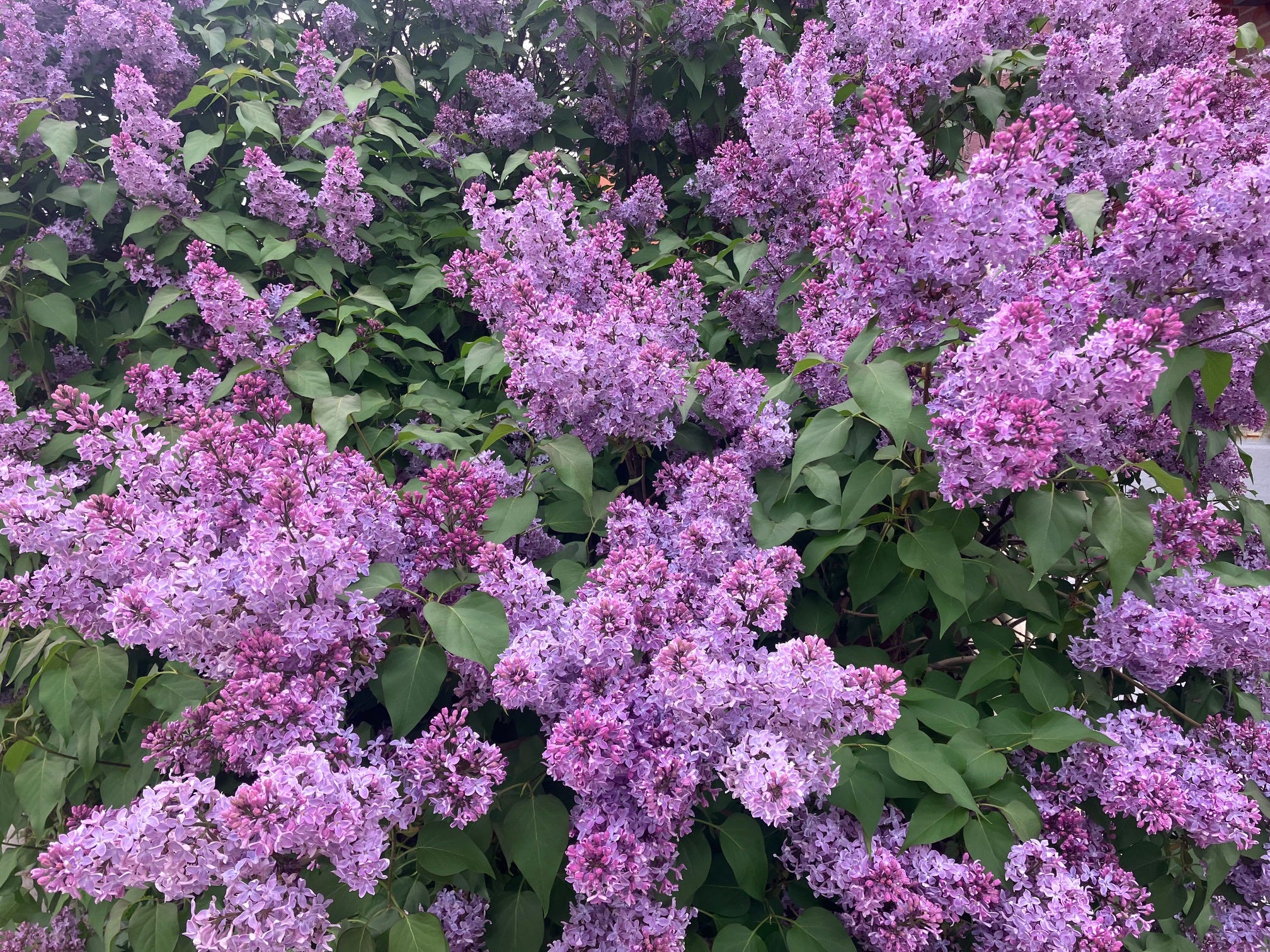
Spring is the only time I actually enjoy living in the city. And I love it so much that these few months justify living here full time. The world is alive in May - gardens are in full bloom, trees have exploded into flowers, the heavy smell of lilacs fills the air, and everyone is out on the sidewalks enjoying the sunshine.
Toronto in May is lush and extravagant. I haven’t been able to do anything this month save going on long walks and sticking my face in lilac bushes. My productivity has taken a bit of a downturn, but I can’t bother feeling guilty about it. My most important tasks this month have included: listening to the buskers at Christie Pits, losing myself in a crowd on Queen Street, getting sunburnt over the course of a long walk, helping my neighbours in their garden, reconnecting with friends over a bottle of wine, and trying to befriend neighbourhood cats.
Writing Updates
I tell myself that my writing needs to percolate. This is an excuse for slacking off in order to enjoy the nice weather. After finishing the first draft of my current work in progress last month, I’ve been sitting on it for a bit, reading through my work, and trying to figure out what changes I need to implement in my second draft.
The first draft is always the easiest for me. I’m really good at writing a lot of nonsense. Now the task is trying to wrangle everything into a coherent story. I’ve commandeered the walls of my apartment to plan out the next round of edits visually.
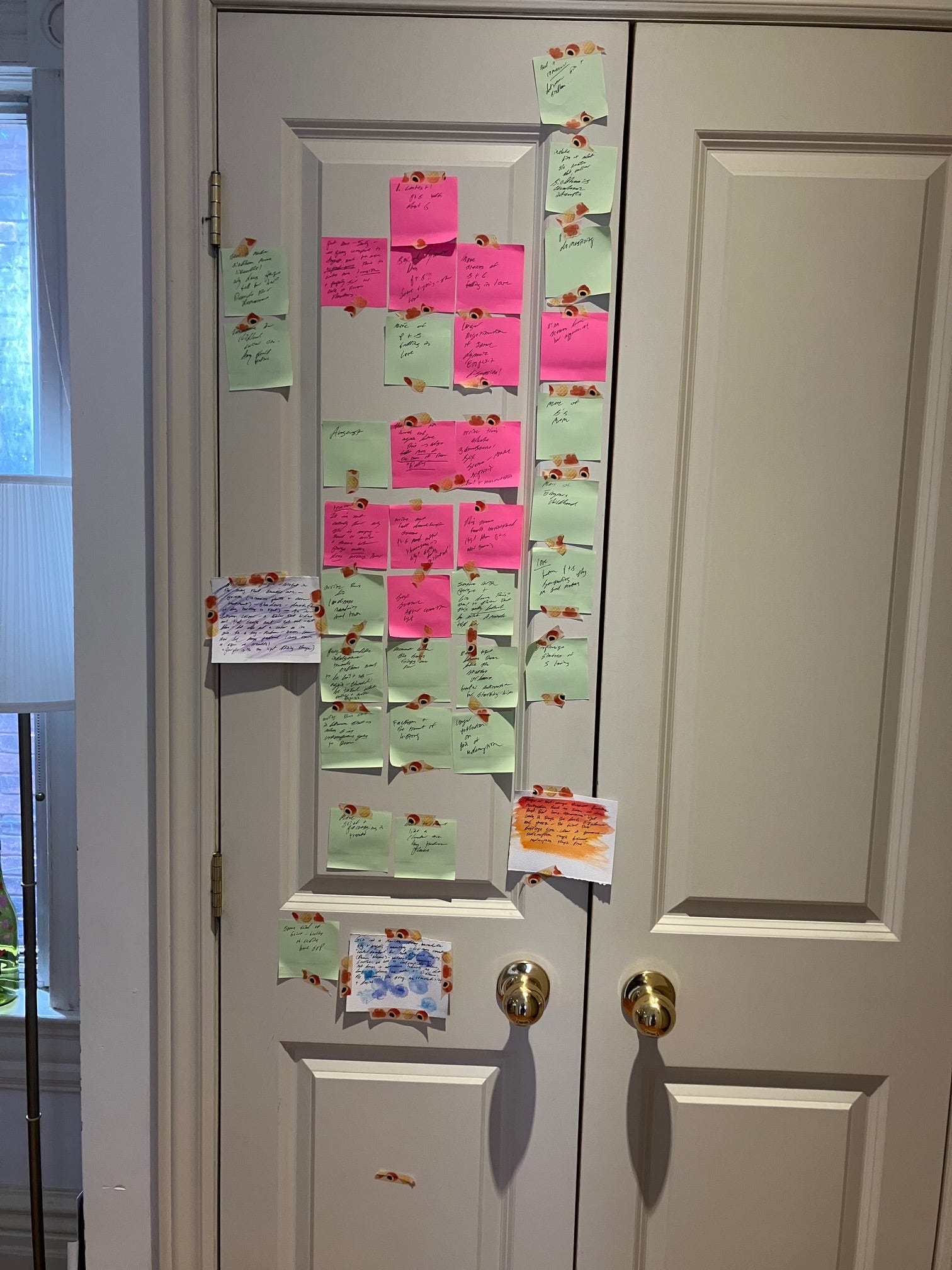
The main goal of my second draft is to make the plot more coherent. I’m also thinking about how I can make the prose more sensual and visually compelling. There’s something about writing a first draft in the winter that makes the prose feel terribly inadequate when you read it in the spring. I’ve been so slow lately, just taking everything in, and I want to figure out how to translate this feeling to the page without getting purple-prosy.
Writing is a fascinating and difficult medium because it is simultaneously visual and rhythmic. Painting a picture in writing requires zooming out to look at the ways that texture, colour, sound, smell, and so on appear in your work. At the same time, good writing requires a miniscule, sentence level look at syntax. There’s the work that individuals words are doing. Then there’s the work of many words taken together. Editing makes me hyper-aware of the way that the micro and macro aspects of a text work together to make writing emotionally resonate.
I’m currently experimenting with treating writing as a visual medium. I’m not necessarily concerned about the way that text appears on the page - instead I’m concerned with the world that I evoke in my writing. Where do I want to draw the reader’s eye? How do visual elements come together to complement the story that I’m trying to tell?
A reminder that I go back to when I forget what I’m trying to do in my writing: You have to let the world crack you open.
May Reads
Y2K: How the 2000s Became Everything - Collette Shade
I’ve been on a Y2K kick recently because my current work in progress takes place in 2001. I was born in ‘02, and although I was a very politically conscious baby, there are, of course, gaps in my knowledge. To make up for it I’ve been harassing my mother to tell me about what email was like, and reading books like this one that will tell me a bit about what it was like to live in this era.
Y2K: How the 2000s Became Everything was incredibly helpful on the level of cultural knowledge. It gave me a good sense of the aesthetics of that time. More impressive, however, is how Shade analyses cultural objects within their political and economic context. On one level this book is about fashion, music, and celebrity culture. On a deeper level, it’s about the illusion of the triumph of American capitalism, how this illusion was sustained, and why it is now falling apart. You can read my full review of Shade’s book here.
The Vampire Armand - Anne Rice
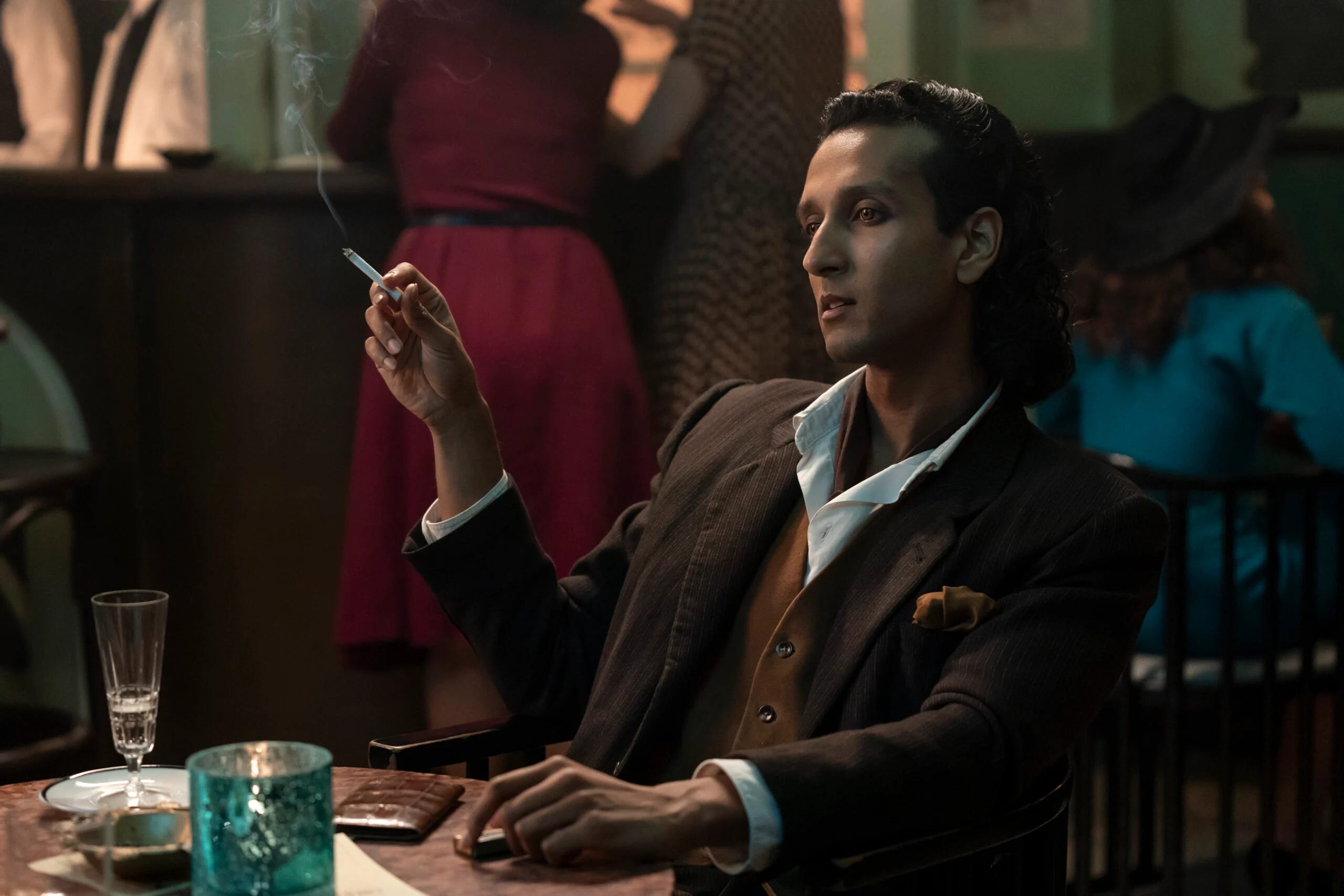
I’m very passionate about queer vampire eroticism. Anne Rice is up to the task as always. This was my favourite book of the Vampire Chronicles so far. It has the wide-spanning, historical plot of the earlier books in the series. There’s a romance to following a character through time that was lost in the tighter, more contemporary storylines of Tale of the Body Thief and Memnoch the Devil. And of course I loved that Armand was finally front and center in this book. He’s by far my favourite character of the series, in part because Assad Zaman, who plays Armand in the AMC series, is so beautiful. My gender envy knows no bounds.
Dykette - Jenny Fran Davis
Dykette is a contemporary comedy of manners that follows a group of lesbians vacationing together over the winter holidays. It delves into themes of queer domesticity, jealously, and lesbian gender, and has a high femme main character whose “camp antics” drive the story forward. I’m a high femme and I have my fair share of antics, and so my love for this book is more or less completely biased. This was my second time reading Dykette and, although I now see some of the book’s flaws, the story still holds up. You can read my full review of Dykette here.
Olivia - Dorothy Strachey
This queer classic, published in 1949, is about a young woman who falls in love with her teacher at a French boarding school. The plot is very simple - almost nothing happens - but the book is worth reading for the way it captures a particular kind of adolescent obsession, the way that loving someone for the very first time is intense enough to consume you.
The first time I fell in love, I felt an accompanying intellectual awakening. I was suddenly so hungry, both with desire and for new books, for new ideas, for new people to learn from. Strachey captures the way that intellectual and romantic desire are so closely interlinked, especially when someone is coming of age and discovering the world for the first time.
“I had been a fairly intelligent pupil; I had enjoyed learning and working in a kind of humdrum way. This was something quite different - something I had never known. Every page of Latin grammar seemed to hold some passionate secret which much be mine or I should die.”
Olivia is also interesting as a historical object. Strachey was associated with the Bloomsbury Group. The book is dedicated to Virginia Woolf and was published by her press. Despite the emancipated views of her social circle, Strachey originally published the novel anonymously because of it’s lesbian content. I highly suggest reading Andre Aciman’s introduction to the book, which explores this historical context. Also of note is the fact that Olivia inspired Aciman’s Call Me By Your Name.
My Year of Rest and Relaxation - Ottessa Moshfegh
I’ve been meaning to read My Year of Rest and Relaxation for years now, and I’m glad to say it lived up to the hype. I’m somewhat critical of Moshfegh’s philosophy of literature - she has been outspoken about the way that ethics shouldn’t come into storytelling - but I found her writing to be surprisingly compassionate and politically compelling. Moshfegh writes absolutely unhinged characters that draw you into their orbit. I underlined every bit of Dr. Tuttle’s dialogue because the writing was just so perfect. Next week’s essay will delve into My Year of Rest and Relaxation properly, so stay tuned if you’re interested in my full analysis!
Hue’s Hue - Katy Kelleher (The Paris Review)
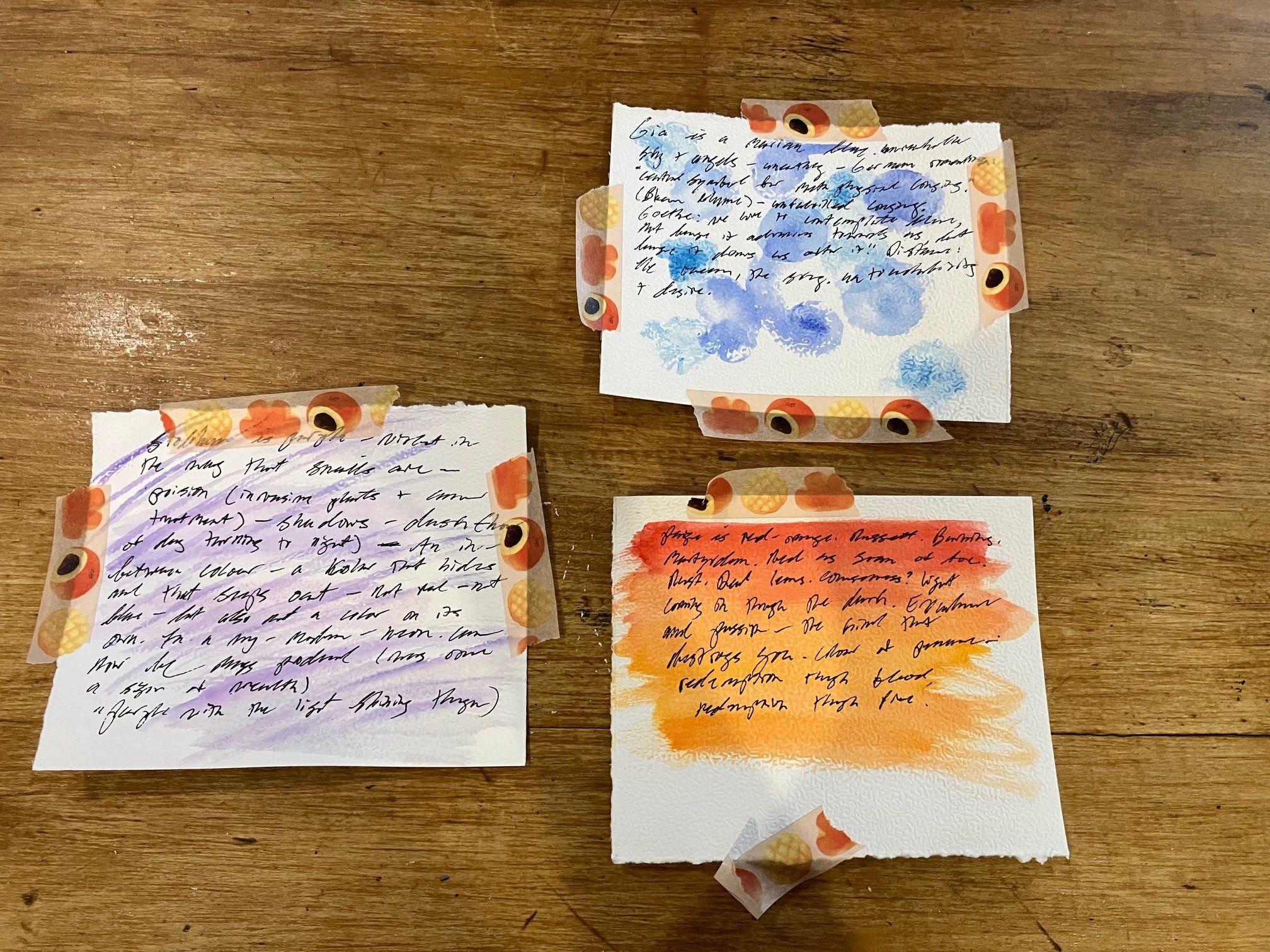
I was debating whether or not to add this one since it isn’t a book, but I’ve decided to include Hue’s Hue because everyone needs to read this essay series. Each essay explores the history of a particular colour, with a focus on the way it is used in literature and art. These works have given me a deeper appreciation for the symbolism of colour, and have made me more aware of both the way that colours are used in the works I consume and the way that I use colour in my own writing.
My favourite essays from this series include Periwinkle, the Color of Poison, Modernism, and Dusk , Marian Blue, the Color of Angels, Virgins, and Other Untouchable Things, and Incarnadine, the Bloody Red of Fashionable Cosmetics and Shakespearean Poetics - but really, you should read all of them.
Sorrowland - Rivers Solomon
Sorrowland follows a young woman named Vern who escapes from a cult while pregnant. As she raises her children in the woods, Vern’s body begins to transform, and she undertakes a journey of discovering the roots of this transformation while trying to escape the clutches of her past. Sorrowland is hard to define in terms of genre. Rivers Solomon combines aspects of science fiction, fantasy, and horror to explore Black queer trauma. Solomon works in the radical speculative fiction tradition of Octavia Butler and Ursula K. LeGuin and Sorrowland does a beautiful job weaving together elements of speculative fiction with political critique.
There are a lot of things I loved about Sorrowland, and I am planning to write a full review soon(ish). For now, I’ll say that one of the things I liked most about this book is the way that Solomon treats queer motherhood. Vern is an incredibly compelling main character, and her relationship with her children provides the emotional core of the book. I very rarely see mothers treated with such respect and agency in fiction. I loved that Vern is the protagonist of the story, that she has a rich inner world and her own goals and desires, and that none of these things take away from her as a mother. So often mothers in fiction are denied any interiority or desires once they have children. This is a small point to make about a very dense and politically nuanced book, and it is just one of many reasons why you should give it a go.
High Fidelity - Nick Hornby
This book is pure 90s sleaze. The main character is an absolute loser who runs a record shop and has no personality outside of his taste in music, and yet he pulls like crazy. It’s male fantasy on steroids. While I normally can’t stand books by or about men, there was something so charming about this book that made me finish it in two days.
Through the main character’s chauvinism and the author’s barely disguised bigotry (did he really need to include an alcoholic Irish character for comic relief?) there’s something real in this book about love and community and finding beauty in everyday life. And the writing is fun. I choose to see this book as an anthropological artifact of ‘90s British masculinity and, you know what, I think I learned something.
Zoe Kravitz plays the main character in a recent TV adaption of this book and the thought of this loser as a woman is so hot that I might pass out. Anyways. Maybe I do understand the appeal.
May’s Cookbook
Every month, I try out a new cookbook so that I’m not stuck eating beans and rice and plain pasta. This month’s cookbook was Christopher Kimball’s Milk Street: Tuesday Nights. This cookbook includes over 200 weeknight recipes that pack a lot of flavour, with a wide variety of regional inspirations.
I liked a lot of the recipes in this cookbook. However, I didn’t love the book for weeknights specifically. The recipes are fast on their own, but they aren’t balanced. You will have to make at least two or three recipes in order to have a complete meal, which kind of takes away from the point of having a fast cook time. For example, there are a lot of variations on buttered noodles that take 30-45 minutes each. That’s fine, of course, but I’m at a stage in my life where I’m increasingly concerned with getting enough fiber and protein. Fancy buttered noodles don’t cut it, no matter how tasty. Weeknight cooking needs to be fast, but it also needs to be simple, and I wouldn’t suggest working out of this cookbook if you have post-work brain fog and want something simple, fast, and balanced.
That said, the food was good. Oh my God. Working from this book forced me to fill out my pantry with staples for building out flavour. It also introduced me to my new favourite technique for cooking chicken: braising chicken thighs in a sauce, then taking the chicken out, shredding it, and returning the meat back to the pot until the sauce has cooked down and the shredded chicken is completely coated.
Even if some of the recipes weren’t very practical, the book did what it promised and taught me how to build flavour fast. I recommend the cookbook in general, but if you’re looking for a weeknight cookbook specifically, Tuesday-Nights misses the mark.
I’m always on the lookout for cookbooks that will teach me something new! Please recommend your favourites!
Thank you!
I hope that June brings you summertime joy! If you like my writing, why not subscribe? I post book reviews and cultural analysis, with a focus on queer fiction and progressive politics (bleh), every Wednesday.